
Affordability: what is it and why does it play a major role in the energy transition?
Why is energy affordability under pressure?
For many people, energy has long been something taken for granted. The bill arrived, was paid, and energy was available whenever it was needed. However, during the energy transition, our energy system is changing significantly. As a result, the question is being asked more and more often: how do we keep energy affordable for households, businesses, and industry? Affordability is about the costs involved in producing, transporting, storing, and using energy. These costs are influenced by many different factors.
Factors that influence the affordability of energy
- Investments in new infrastructure
Major investments are needed to make the energy system more sustainable. Examples include expanding electricity grids, offshore wind farms, hydrogen infrastructure, and energy storage. These investments are necessary, but they also come with costs. - Growing demand for electricity
Electric vehicles, heat pumps, and the electrification of industry are driving a growing demand for electricity. As more people and businesses use electricity, the pressure on the energy system increases as well. - Grid congestion and scarcity
In many parts of the Netherlands, the electricity grid is reaching its limits. As a result, expansions are required and projects may face delays. This has consequences for the cost of the energy system. - International energy prices
The Netherlands is part of an international energy market. Prices for gas, electricity, and raw materials are influenced by global developments, geopolitical tensions, and changes in supply and demand.
These factors show that affordability cannot be taken for granted. Choices must be made to keep energy accessible and affordable in the long term.
Solutions for an affordable energy system
An affordable energy system cannot be achieved through a single measure. It requires a combination of solutions that reinforce one another.
1. Saving energy The cheapest energy is the energy that does not need to be used.
Examples include:
- Improving home insulation
- Using energy-efficient appliances
- Using heating and cooling systems more intelligently
- Implementing more efficient industrial processes
Lower energy consumption directly reduces energy bills and decreases the pressure on the energy system.
2. Making smart use of renewable energy
Solar and wind energy are not always available. When these energy sources are available, it is important to use as much of that energy as possible. To achieve this, we need to be more flexible in our energy consumption while ensuring that sufficient renewable energy is available to meet demand.
3. Storing energy when it is available and not being used
By storing energy during periods of high supply, it can be used later when demand is greater. Examples include:
- Battery storage
- Storage in the form of heat or compressed air
- Storage in the form of renewable gases such as green hydrogen
Storage helps limit price fluctuations and enables more efficient use of renewable energy.
4. An integrated energy system
An affordable energy system is not just about electricity. In both today's and tomorrow's energy system, different energy carriers work together. Electricity is important, but it cannot meet all energy demand at every moment and in every sector. That is why renewable gases, such as green gas and green hydrogen, also play a role. By combining these intelligently, we can create an energy system that is more efficient, more resilient, and often more cost-effective.
Affordability, energy security, and sustainability
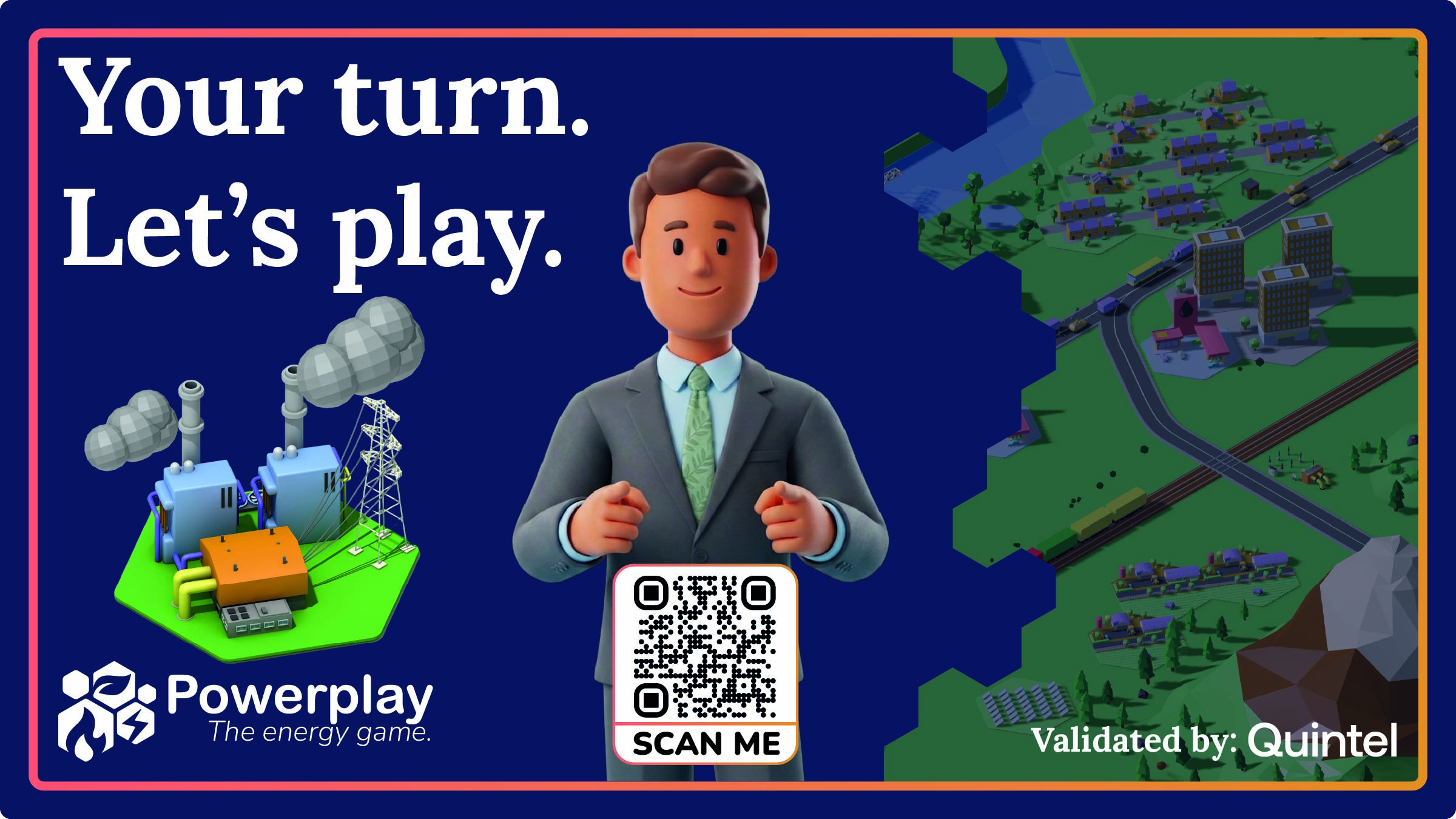
Affordability does not stand alone. Together with energy security and sustainability, it forms one of the three main pillars of the energy system. Every decision a player makes affects costs, energy availability, and CO₂ emissions. This is what makes the energy transition challenging. A measure that is sustainable is not automatically the cheapest solution. A measure that lowers energy bills does not always deliver the greatest CO₂ reduction. And choices that contribute to energy security sometimes require additional investments. That is precisely why it is important to look at the energy system as a whole. How can you experience the impact of affordability yourself? Many energy discussions focus on individual solutions. More solar panels. More wind turbines. More hydrogen. But how do these choices influence each other? In Powerplay, you step into the role of Minister of Energy for Groenerwaard. You make decisions that affect three key objectives:
- Sustainability (CO₂ reduction)
- Energy security
- Affordability
During the game, you discover that there are no simple answers. Every decision has consequences for households, businesses, industry, and the energy system as a whole. As a result, you experience firsthand how difficult it is to keep energy affordable, reliable, and sustainable.