
Energy storage: saving energy for when you need it
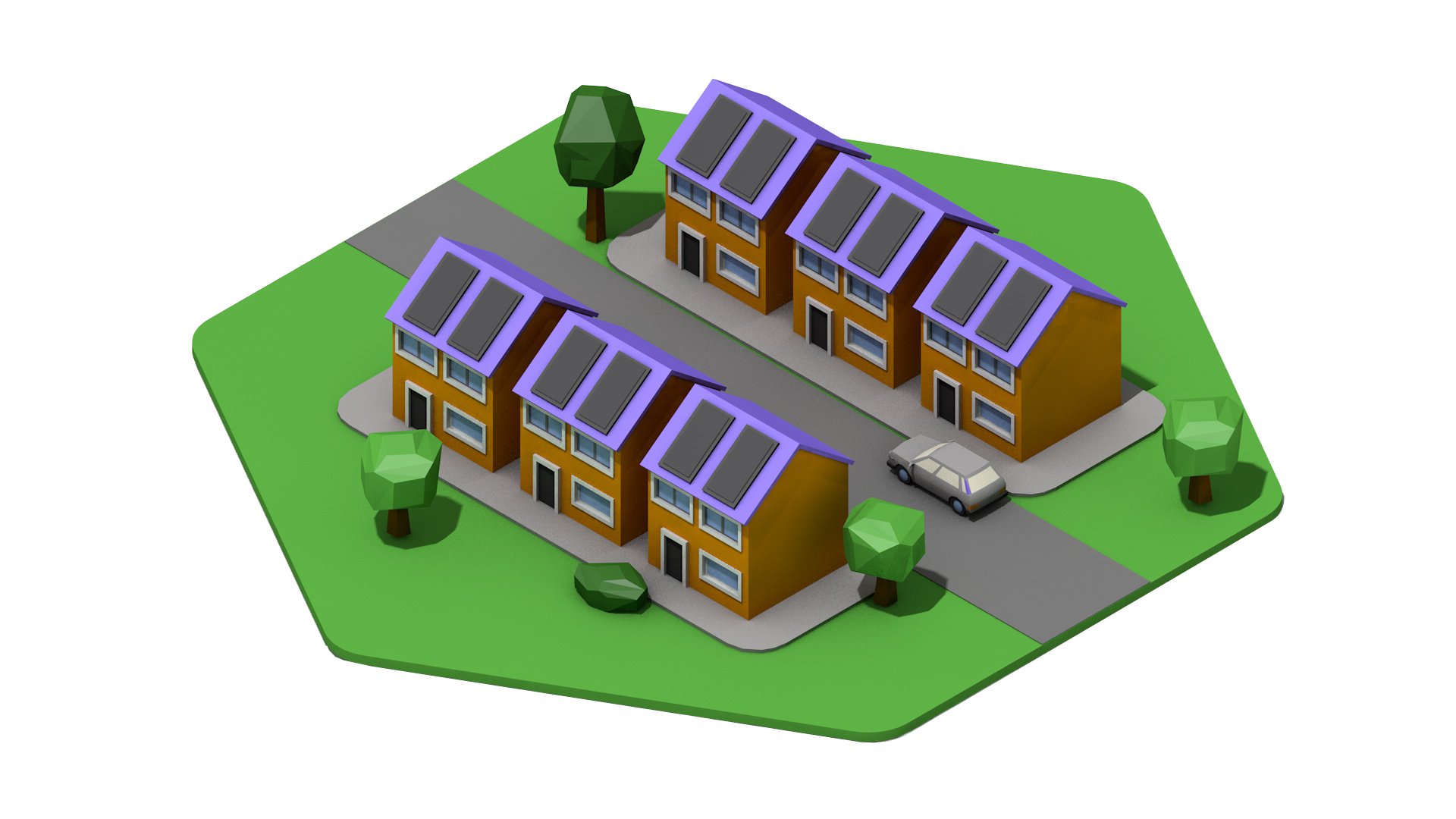
Imagine this: the wind is blowing hard. Wind farms are producing plenty of electricity. But at that moment, there is not enough demand to use all the wind energy being generated. A few days later, the exact opposite may be true. There is hardly any wind, the sun barely shows itself, while households and businesses do need energy (electricity and gas).
Can you save the energy from one day for another time?
That is exactly what energy storage is about. And as we use more energy from wind and solar, this question becomes increasingly important.
What is energy storage?
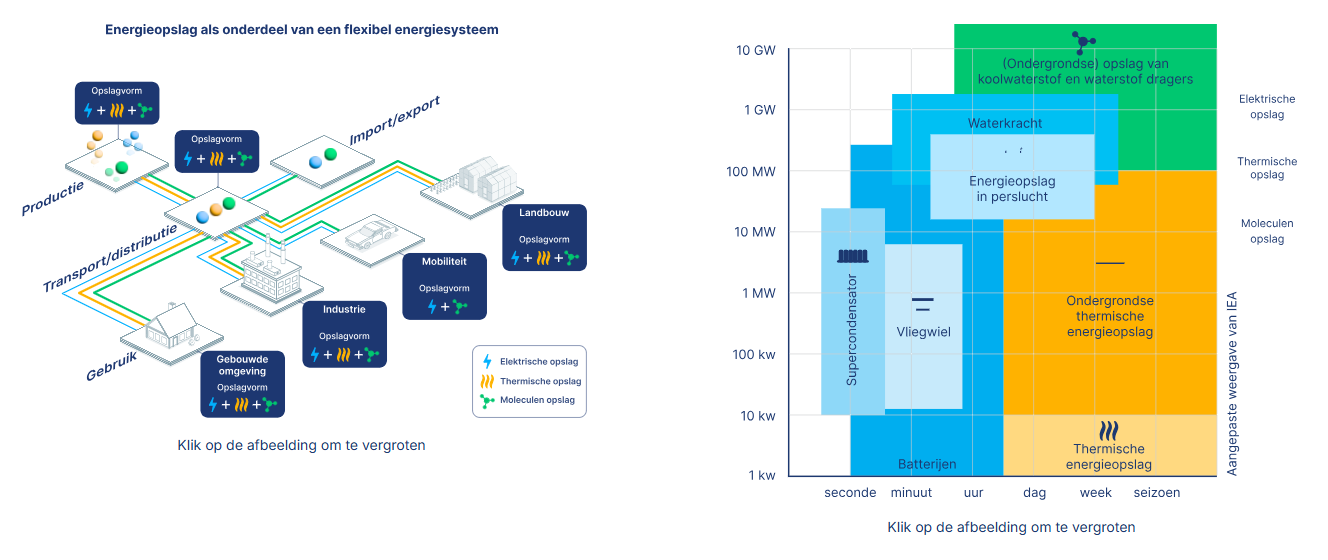
Energy storage means: storing energy when it is available and using it when we need it. We are all familiar with batteries. You charge them and use the stored electricity later. But a battery is only one option, and batteries often have limited capacity. Energy can be stored in different ways, which can be divided into 3 categories:
- as electrical storage, for example in a battery;
- as thermal storage, for example in hot water or other materials;
- as molecular storage, for example by converting electricity into hydrogen.
Each form has its own strengths and weaknesses. A battery, for example, can supply electricity quickly. Other solutions are more suitable for storing large amounts of energy over longer periods.
This makes energy storage primarily a system question: which type of storage do you need, where and when?
Why can't we simply use renewable energy straight away?
a { text-decoration: none; color: #464feb; } tr th, tr td { border: 1px solid #e6e6e6; } tr th { background-color: #f5f5f5; }
Ideally, we do. Using energy directly is usually more efficient than storing it first and retrieving it later. But there is a problem: renewable electricity production and our energy consumption do not always match. Solar panels produce most electricity around the middle of the day and more in summer, while energy demand is higher in winter. Wind turbines only produce electricity when there is enough wind. This creates a mismatch.
As a result, different situations can occur:
- more electricity is produced than is needed at that moment;
- demand is high while solar and wind production is low;
- in some locations, plenty of electricity is available, while the electricity grid does not have enough capacity to transport it.
Storage can help bridge some of these differences in time. And that word is important: time. Sometimes you only need to store energy for a few hours. Sometimes for a day. And in an energy system that depends strongly on the weather, storage over longer periods can also be important (weeks, months, seasons, years).
What types of energy storage are there?
Batteries: storing energy for later
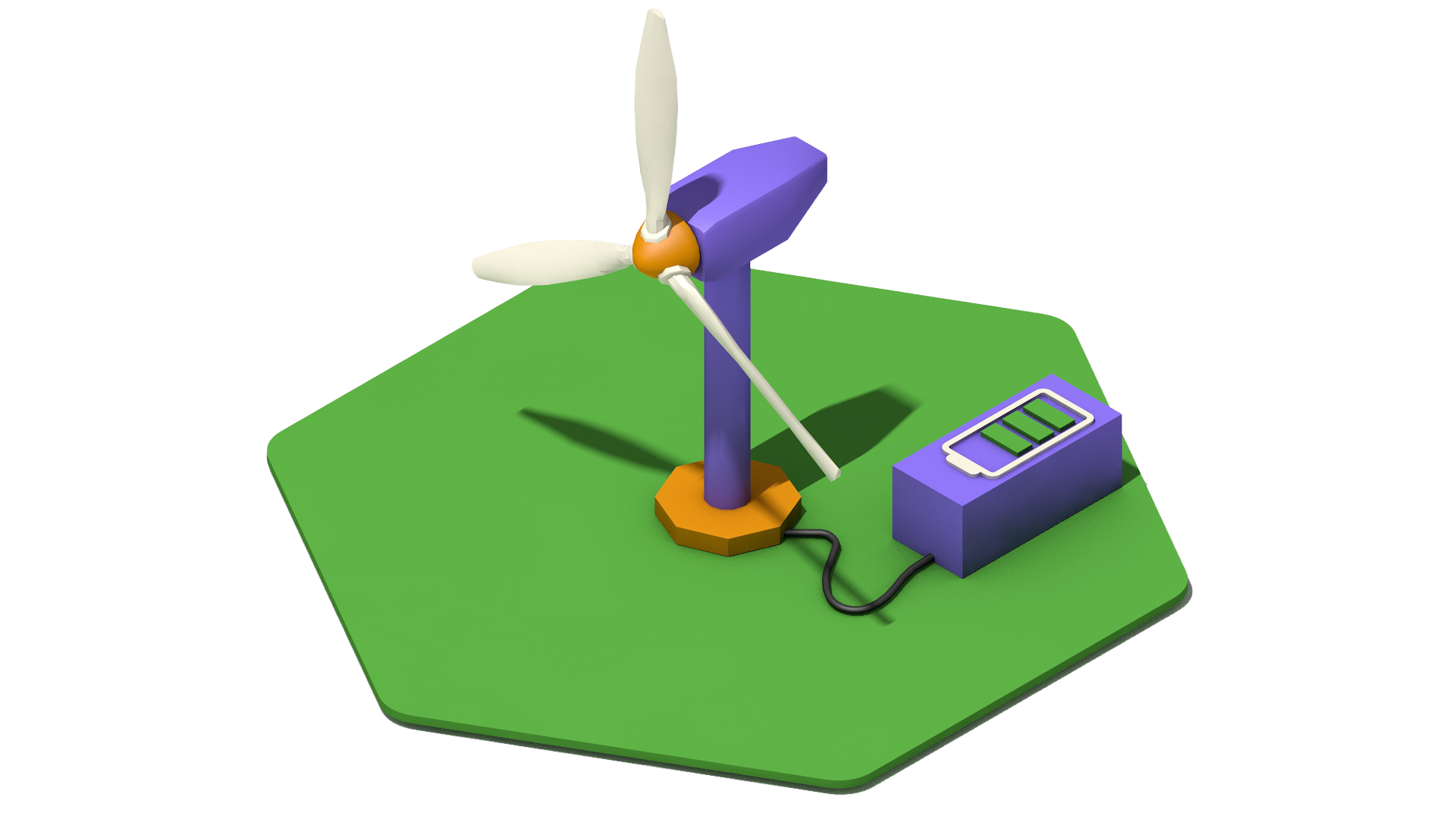
Batteries store electricity and can supply it again later. This can be on a small scale, for example using a home battery. But it can also involve large batteries at businesses, wind farms or solar farms. A battery can, for example, be charged when plenty of electricity is available. That electricity can then be used a few hours later when demand is higher. This makes batteries particularly useful for shifting electricity over relatively short periods.
Thermal storage: why produce electricity first if what you need is heat?
A significant part of our energy use is for heat. Think of heating homes and buildings or industrial processes (such as firing bricks). If what you ultimately need is heat, it can make sense to store energy directly as heat. This can be done, for example, in hot water or in materials that can retain heat for a long time. The form in which we ultimately need the energy also helps determine which storage technology makes sense.
Hydrogen: storing energy in a different form
Electricity can also be converted into hydrogen. Through electrolysis, water is split into hydrogen and oxygen using electricity. If renewable electricity is used for this process, renewable hydrogen is produced. The energy from the electricity is then stored in the hydrogen. Like natural gas or green gas, hydrogen can be stored in large quantities. Converting electricity into hydrogen involves energy losses. If the hydrogen is later converted back into electricity, additional conversion losses occur.
So why would we do it anyway?
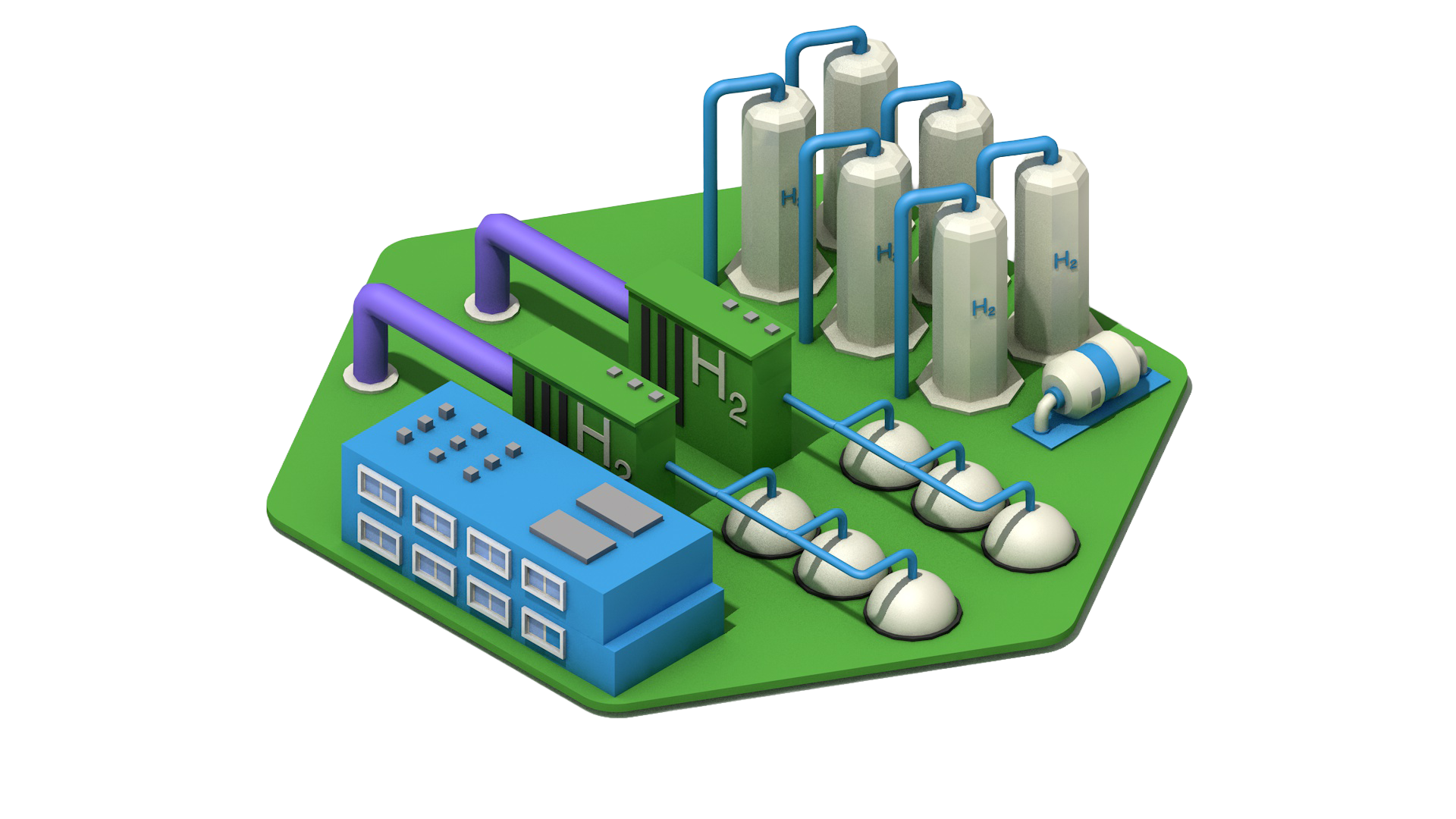
As the mismatch between generation and demand increases, renewable energy installations such as solar and wind farms may have to reduce or stop production (curtailment) when the electricity they generate cannot be transported. By using this electricity to produce hydrogen, curtailment can potentially be avoided. Efficiency is also not the only consideration. How much energy you can store, how long you want to store it and what you ultimately need the energy for also play a role. This fits Powerplay's broader system perspective, in which batteries are mainly suited to shorter-term balancing while molecules such as hydrogen can play a role in storing larger amounts of energy for longer periods.
Which form of energy storage is best?
That would make things easy. Choose one technology and you’re done. But that’s not how an energy system works. A battery can be very suitable for bridging a difference of a few hours between production and consumption. For heat, thermal storage may make more sense. And when large amounts of energy need to be stored for longer periods, energy carriers such as hydrogen can play a role.
Which solution is suitable depends, among other things, on:
- how much energy you want to store;
- how long you want to store the energy;
- how quickly the stored energy needs to be available;
- where the energy is produced and used;
- how much energy is lost during storage and conversion;
- what infrastructure is available;
- how much storage costs.
The interesting question, therefore, is not which storage technology will be the winner, but which combination the energy system needs.
Can energy storage also help with grid congestion?
Yes, under the right circumstances. Imagine a solar farm producing large amounts of electricity in the middle of the day while the local electricity grid is already almost at full capacity. A battery can store electricity and supply it at another time. In this way, storage can help spread production and consumption more evenly throughout the day.
Why is energy storage becoming more important?
The more electricity we produce from wind and solar, the more often the moment of production may differ from the moment when we need the energy. Storage gives the energy system more options for dealing with these differences.
It can help to:
- store renewable energy for later use;
- manage peaks in production and demand;
- use the electricity grid more efficiently;
- make energy available when solar and wind production is lower;
- better connect electricity, heat and renewable gases.
But energy storage does not produce energy itself. Energy can also be lost during storage and conversion. This means storage is not a goal in itself, but a means of making energy available in the right place, in the right form and at the right time.
Which solution is best? There is no simple answer. And that is exactly what makes the energy system interesting. Every choice has consequences for costs, space, infrastructure, sustainability and reliability.
More detailed information about energy storage methods is available at Energy storage - Energy.nl.