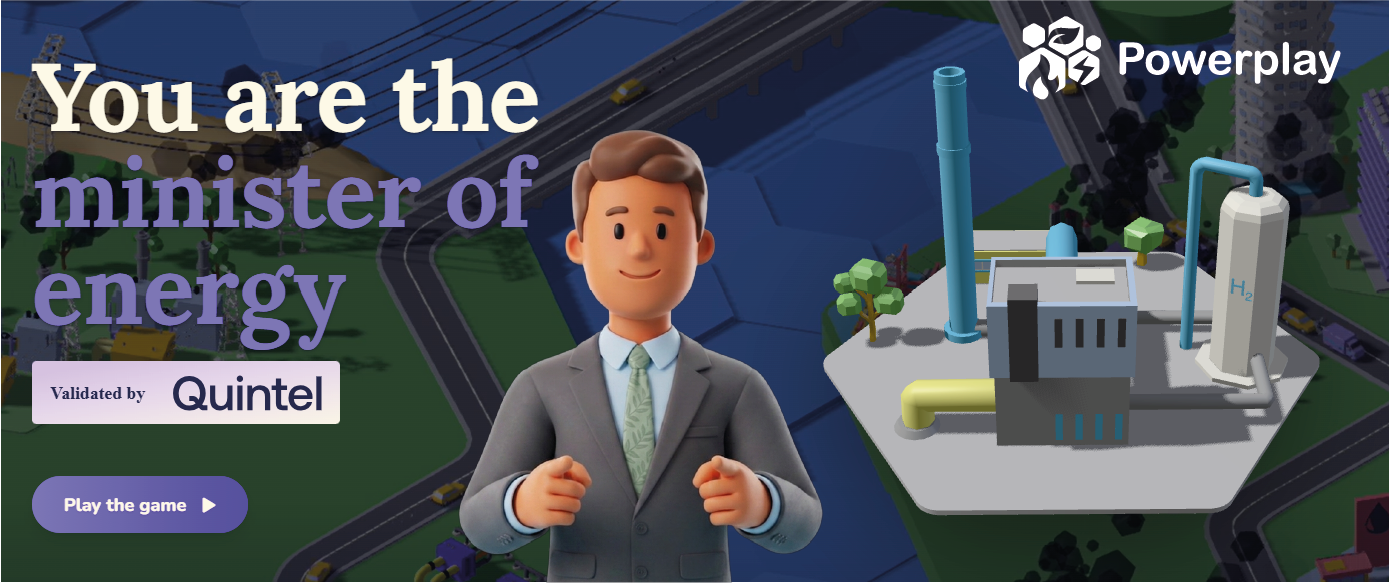
"Powerplay playfully demonstrates just how complex the energy system is." — Floris Doeglas
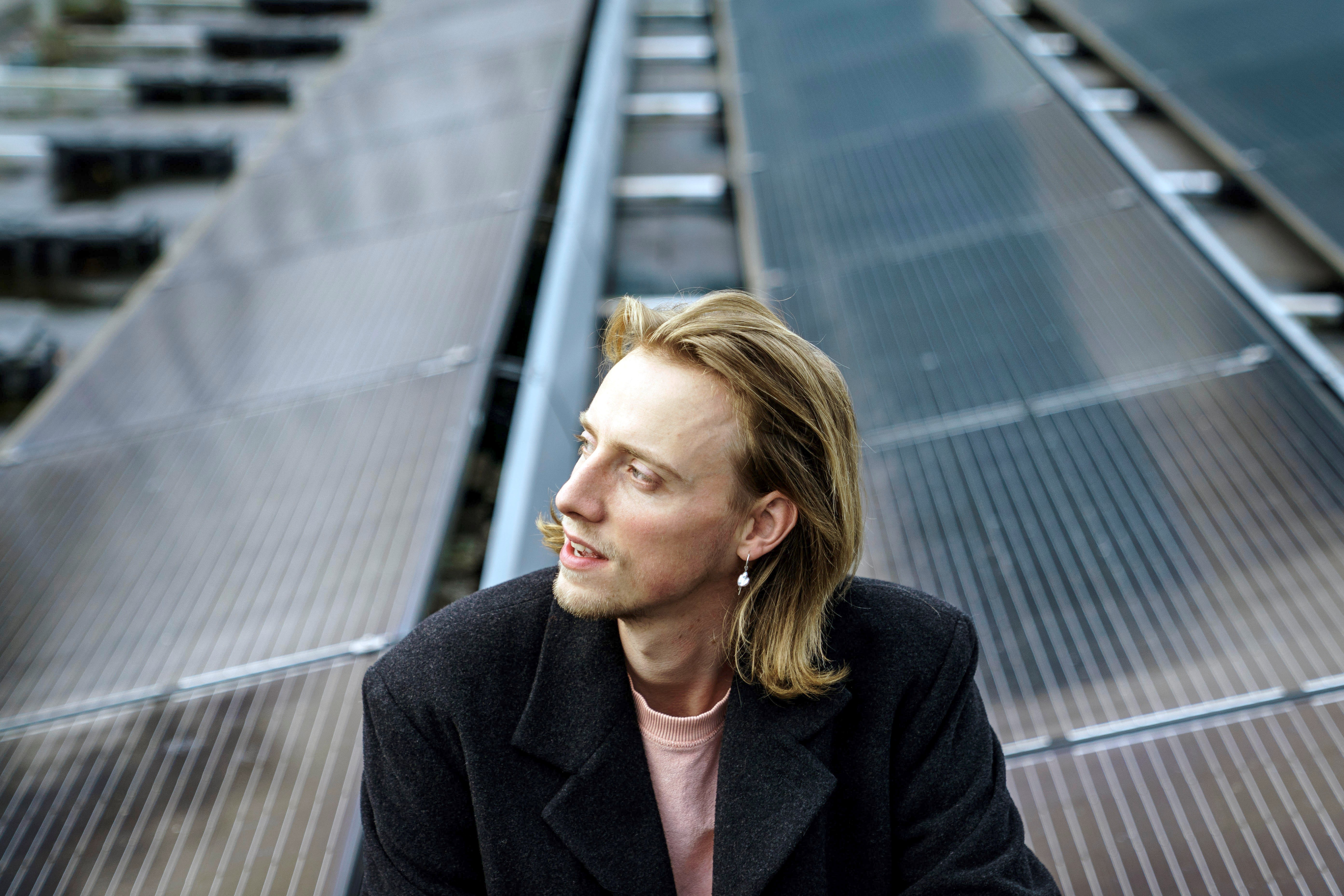
“Powerplay playfully demonstrates and brings to life the complexity of the energy system, helping
people make better-informed decisions.”
Almost every day, Floris Doeglas, Energy Conservation Project Manager at the University of Groningen (RUG), tells what he calls “the energy story”. “People are becoming increasingly aware of sustainability and energy conservation, but it remains important to keep repeating the message. Powerplay playfully demonstrates just how complex the energy system is. I can imagine it being an excellent way to help people experience this complexity for themselves, especially when combined with a workshop or knowledge-sharing session.”
“Everyone feels that the way we currently treat the planet is not sustainable,” says Floris. “We must continue looking for improvements and opportunities to reduce energy consumption. ”Floris is the Energy Conservation Coordinator within the Energy and Sustainability programme. “To achieve our goal of becoming carbon-neutral by 2050, sustainability must be embedded structurally in all your processes. Simply installing a few solar panels will not get you there. Sustainability plays a role in every project and every modification. A building is never truly finished; there is always more work to be done. Thanks to societal developments and technological innovations, more and more possibilities are emerging. Moreover, sustainability is not an optional task—it is an obligation. And as a university, we have a responsibility to lead by example.”
Not Optional
Every large organisation is required to work on improving its sustainability performance. Floris explains: “The government provides a list of measures. It is up to us to implement what we can and report on our progress regularly. In doing so, we look at the energy system as a whole, including generation, storage and energy efficiency. At present, the University of Groningen does relatively little with energy storage, but I believe it will become unavoidable in the future.”
Living Labs
“We work with living labs within the university, where students contribute to real-life projects in a practical and hands-on way,” Floris continues. “For example, several research groups within the Faculty of Science and Engineering are researching the batteries of the future. It would be wonderful if we could create a pilot installation on campus, bringing education and implementation together. We increasingly make use of the opportunities available on campus. The Energy Law department, for instance, helped shape the framework and conditions for our first Aquifer Thermal Energy Storage (ATES) system, which we developed together with the University Medical Center Groningen (UMCG). That was incredibly valuable because they are among the leading experts in this field. Over the coming years, we want to connect more buildings to the ATES system as they undergo renovation.”
Financial Considerations
The high energy prices of recent years have given sustainability a clear financial dimension. “Financial considerations play a role in sustainable decision-making. For example, what is the total cost of ownership of a heat pump? If you save energy, it may be more cost-effective in the long term to choose a more expensive alternative today. However, you still need to be able to afford that alternative. With declining student numbers and pressure on government funding, we have to critically assess our choices. What should take priority? These challenges force us to think more intelligently and strategically about what we do. It is great to see that affordability is also incorporated into Powerplay.”
Curious to discover the impact of your decisions as Energy Minister?